
Providence Art in City Life Plan
2025 Addendum
Charting A Future For Public Art In the City Of Providence
Contents
- A Note from the Mayor
- A Note from the Director
- Executive Summary
- ACT Public Art: A Public Art Program for Providence
- Program Plan
- Administrative Plan
- Acknowledgments
FROM MAYOR BRETT P. SMILEY
Public art allows Providence residents from every neighborhood to feel a sense of belonging and connectedness to where they live, work and play. It is also a key channel through which we share who we are with visitors. The Art in City Life Commission (ACLC) is a dedicated group of community leaders, architects, policymakers, curators, fine artists, and youth arts workers that has supported the operations of our Art, Culture and Tourism (ACT) Public Art program since 2018, when Providence published its Art in City Life Plan.
Amending the Art in City Life Plan has allowed the Art in City Life Commission to align Providence’s blueprint for administering the City’s signature public art program, ACT Public Art, with PVDx2031: A Cultural Plan for Culture Shift, the City’s guiding cultural policy document. We hope this fosters a deeper connection between our commissioning of new public art and the integration of strategies that shape the future of arts teaching and learning, place-keeping in neighborhoods, public awareness, advocacy, and tourism.
I am grateful for the 2024-2025 Art in City Life Commissioners for their hard work on these revisions and look forward to supporting the growth and evolution of ACT Public Art for many years to come.
Brett P. Smiley
Mayor of Providence
FROM THE DIRECTOR
Public art has the power to inspire and connect us, and its greatest strength lies in its ability to evoke emotion and provoke thought. Whether we walk, or we get around our city on two or four wheels, we are fortunate to be surrounded by works of public art that ask us to question where we have been, and also where we are going together.
Since 2018, Providence’s Art in City Life Plan has been an invaluable blueprint for advancing the viability and visibility of our creative sector, helping orient the Department of Art, Culture and Tourism as it directs tens of thousands of dollars each year through the City’s signature public art program. The Plan has not only supported ACT’s advancement of public art, but it has also become an important resource for private entities, artists, and organizations interested in public art but unsure of how to approach funding, siting, and community engagement.
In embarking on a five-year review of the Plan’s goals and potential outcomes, the city now has a track record commissioning nearly 40 works over six years. While most of these works are temporary 2D murals, the City continues to advance its goals of having artists at all tables by supporting multidisciplinary residency opportunities for creative practitioners whose work spans multiple media and is rooted in community-based engagement. This “art at all tables” approach is central to the vision of ACT’s PVDx2031: A Cultural Plan for Culture Shift and to our administration’s approach to art as an engine driving, and driven by, economic development.
As we embark on the next five years of ACT Public Art, and with this new addendum supporting our 2018 plan, I am thrilled to see what new opportunities our team can develop through partnership with our nonprofit organizations, independent artists, and creative businesses. We are on a path toward equity and access, but cultural justice is not a foregone conclusion. We must continue to hold fast to our specific strategies and intended goals and outcomes to ensure that Providence’s public art landscape exceeds our own wildest dreams in the decades to come.
Joe Wilson Jr.
Art, Culture and Tourism, Director
EXECUTIVE SUMMARY
The 2018 Art in City Life Plan laid out a robust vision for municipal public art and this addendum leaves its foundation largely intact, making changes where necessary to enhance the plan with respect to new strategies, activities, and goals from PVDx2031: A Cultural Plan for Culture Shift. All updates are rooted in one of the program streams: Landmark Public Art; Public Art Residencies; Civic Infrastructure Projects; and Temporary Projects.
As of 2022, arts and culture in Providence is a $207.5M industry, a slight increase from where it was in 2017.1 That being said, the city is still rebuilding from the psychic and material effects of the COVID-19 pandemic, especially in its frontline communities. Public art continues to prove its efficacy as a tool for fostering the social cohesion so necessary for our city to heal.
We still have a long way to go towards realizing the recommendations of the original Art in City Life Plan, but we are excited to share all we have learned after a half-decade of implementation. As with its predecessor, this addendum leaves much of the City’s public art investment to community organizations and private property owners who have an outsized role in shaping it. We want to be clear that private commissions on private property are never the purview of the Art in City Life Commission (ACLC), though they may require review by other government commissions. With that said, our vision remains the same as it was in 2018: to contribute to shaping the City of Providence’s visual identity; improve the quality of life for all residents; and create opportunities for engagement, connectivity and community building.
DETAILS ON PVDX2031 CONNECTIONS
Between 2019 and 2022, the City of Providence developed a new cultural plan, PVDx2031: A Cultural Plan for Culture Shift, that expands on the goals, strategies, and recommended activities of 2009’s Creative Providence plan. The new ten-year blueprint takes the charge to “build community and foster neighborhood vitality through increased access and diversified participation” to new levels of specificity by drilling down into ways that public art can catalyze transformation, connection and evolution of cultural life in the City of Providence.
In the Place-keeping in Neighborhoods section of PVDx2031, Strategy 2.2 calls on stakeholders to “commission artists to produce events, show work and perform in unexpected sites.” The specific activities therein call on neighborhood associations to display work on private and public property (2.2.A.2); for ACT and cross-sector partners to advocate for more public art in the City (2.2.A.4) and for ACT and its partners in the City’s Department of Planning to determine the best ways to implement public art as a development benefit (2.2.A.6) with the goal of the City commissioning and permitting more neighborhood-based projects.
In Strategy 2.4, PVDx2031 calls on stakeholders to “invest in placekeeping strategies that preserve neighborhood-based cultural expression and strengthen a sense of belonging.” It specifically calls out ACT and funders to prioritize funding public art for placekeeping (2.4.A.3) with the goal of having residents participate more fully in the development/re-development landscape as cultural stewards and placekeepers. Shifting from a framework of Placemaking to Placekeeping in this new plan acknowledges the critical role that neighbors play in actively caring for and maintaining the public spaces where they live, work and play. As described in the PVDx2031 glossary per the definition posed by the U.S. Department of Arts and Culture, “creative placekeeping would preserve not only physical buildings but also the cultural memories associated with them, keeping the ideas relevant to a locale alive, while supporting the ability of people living there to maintain their ways of life as they choose.”
In Strategy 6.1 of the plan’s Future of Arts Teaching and Learning section, which calls on stakeholders to “foster culturally responsive school communities,” activity 6.1.A.6 charges ACT and school leaders with implementing residency programs and public art installations in schools to foster such communities among students and families, with the goal of increasing the numbers of BIPOC teacher applications to PPSD; enhancing engagement as evidenced by better attendance of teachers, students and families; and increasing school-day offerings in all art and design disciplines across the district. This work remains critical and nascent.
Finally, in Strategy 7.4 of the Public Awareness, Advocacy and Tourism section of the plan, which calls on stakeholders to “promote Providence as a world-class cultural destination,” activity 7.4.A.8 invites ACT and nonprofit cultural partners to commission light-based public art during winter months with the goal of increasing public safety; enhancing life at night; improving accessibility; and increasing the number of public events taking place in all neighborhoods of Providence. We are thrilled to support this work through ACT Public Art in years to come.
1 Americans for the Arts. “Arts & Economic Prosperity VI: The Economic Impact of Nonprofit Arts and Culture Organizations and Their Audiences in the City of Providence.” Washington, D.C.: 2022.
ACT PUBLIC ART
A PUBLIC ART PROGRAM FOR THE CITY OF PROVIDENCE
The program plan for ACT Public Art will remain almost the same as envisioned in 2018, except for the cessation of the Public Art Ideas Competition and the addition of the Cultural Strategist in Residency program stream, which may accommodate a periodic open call for ideas from community-based organizations working in partnership with artists who aim to address a predefined challenge or goal.
These calls for Cultural Strategists in Residence will be developed, and funded, most often in partnership with intragovernmental stakeholders. Opportunities will support process-based, durational work rather than the development of prespecified public art products such as murals. Cultural strategists in residence will work with governmental and nongovernmental agencies to shift ways of thinking, solve problems, and engage communities to advance mission-driven initiatives and priorities.
Since the adoption of the Art in City Life Plan in 2018, ACT has developed a set of values that compliment what it once called its “guiding principles,” which are now described as the Department’s “grant-making and programmatic priorities.”
ACT’s new values are:
- Belonging – An inclusive sense of place makes Providence special. We value intergenerational, participatory, and collaborative work that strengthens intercultural connections. We celebrate new rituals and time-honored traditions that acknowledge our unique historic and present-day contexts. We recognize that identities are complex and value the ways that race, sexuality, gender identity, ability, and class, among other differences, influence the unique perspectives of our communities.
- Experimentation – Our work is a nimble, curiosity-driven conversation with artists and creative practitioners who often take risks. We stay flexible as we learn with our thought partners, and this helps us grow at our edges.
- Transparent Processes – We create scalable, transparent, responsive, and reliable processes that facilitate cultural participation. We strive to communicate clearly, share resources equitably, and act as an accessible entry point to the city.
- Anti-Racism – Racism and anti-Blackness are antithetical to our work. We value our team’s diversity and strive to achieve cultural equity in all we do by amplifying the voices of Black and Indigenous folks, and people of color.
- Radical Joy – Love, kindness, empathy, optimism, and acceptance are central to our process. We practice radical joy by elevating work that shamelessly sustains communal pleasure.
PROGRAM PLAN
LANDMARK PUBLIC ART
All Landmark Public Art projects will be planned for sites owned by the City of Providence. Because of the high investment costs and complex legal stewardship issues raised by procuring easements, all upcoming Landmark calls must be developed for City properties. In terms of funding mechanisms for Landmark projects, Capital Improvement Project (CIP) percent for art funding is a critical source. Additionally, the criteria for developing Landmark projects shall be amended to prioritize working in areas of the City that have received proportionally less municipal investment in public art – especially for gateway works. Finally, an additional criterion shall be added to encourage projects that offer reparative potential in areas negatively affected by civic initiatives in the past or present day.
There may be instances in which a specific source of funding, or opportunity to work with a world renowned public artist, may create a target-of opportunity collaboration with a private public art commissioning entity to create a Landmark public work. In these cases, often instigated by City Council or the Mayor, ACT Public Art may work outside its proscribed 2-step public process in partnership with a nonprofit agency so long as the project is not funded through the City’s general fund or CIP allocations. While not overseen by the ACLC, these target of opportunity initiatives must still have oversight from the board of contract and supply and any other civic governing bodies such as the Historic District Commission.
PUBLIC ART RESIDENCIES
Public Art Residencies should be developed with intragovernmental, and in some cases with quasi/ non-governmental agencies, with either a predefined civic infrastructure project in mind, or a specific challenge or question to address. In the latter cases, the call will be for a Cultural Strategist in Residence, rather than a Public Artist. In cases where a residency is developed with a department within the City of Providence, or a specific public school, a memorandum of agreement outlining the joint commitment to supporting the residency with both staff time and funding must be signed prior to the call’s approval by the ACLC. Intra-governmental partners must allocate at least 50% of the required funds to support a Residency. In cases wherein ACT advertises an open “Ideas” call for Cultural Strategists in Residence with community partners, funding may or may not come in part from a community partner but will be guaranteed by ACT prior to advertising the call. In an “Ideas” call for a Cultural Strategist in Residence, submitters must identify the question or issue they plan to address during their Residency as part of their application and the agency/organization must stipulate its willingness and interest to partner and support the Resident with staff time.
CIVIC INFRASTRUCTURE PROJECTS
Since 2018, ACT Public Art has collaborated with schools, recreation centers, community centers, and with the department of public works to commission a variety of high-quality, engaging civic infrastructure projects. Except for the Sidewalk Poetry program, which was funded almost entirely with Capital Improvement Project (CIP) dollars, the majority of these have been murals on either facades or streetscapes and supported with ACT general fund dollars. The Department acknowledges that CIP funds are in fact a critical component of ACT’s percent for art funding mix. While ACT maintains a desire to collaborate with partner agencies to share workload and material cost burdens of civic infrastructure initiatives, most projects thus far have been wholly funded by the Department’s general fund, CIP dollars, and/or one-time federal funding opportunities such as those posed by the 2021 American Rescue Plan Act. With that said, intragovernmental staff support and a willingness to partner with ACT make these projects possible and should be prioritized over funding contributions when opportunities during the annual ACT Public Art project planning process.
TEMPORARY PROJECTS
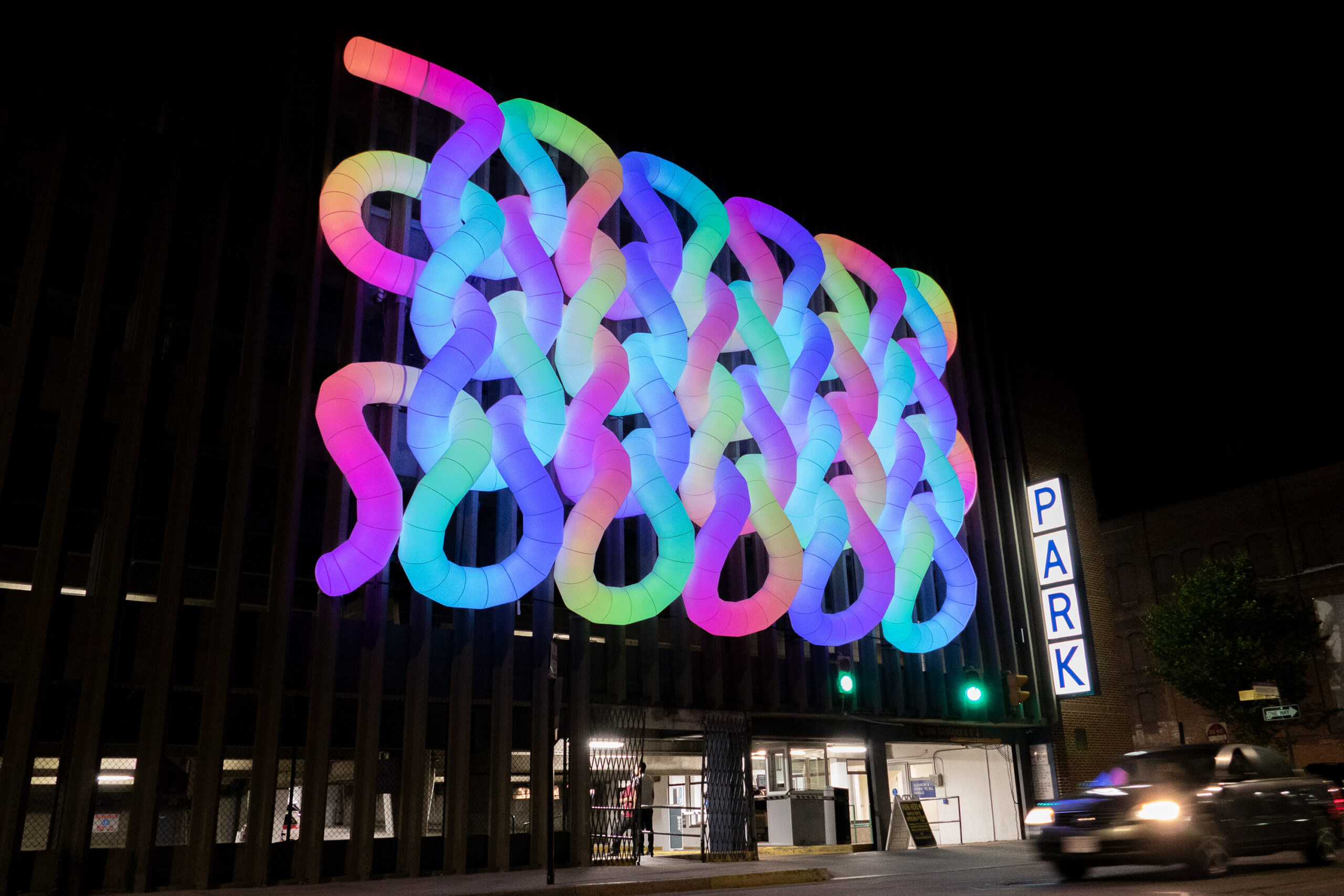
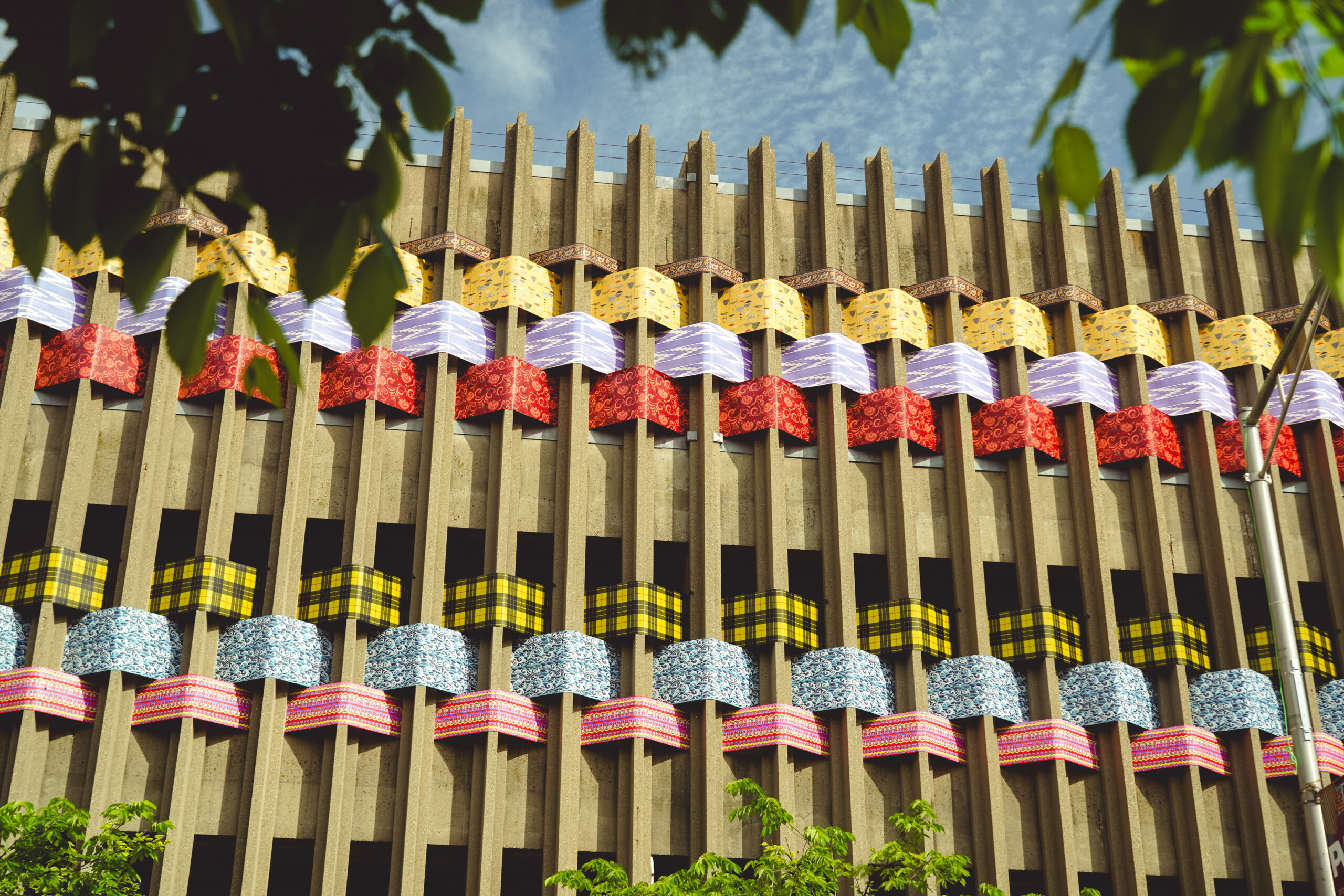
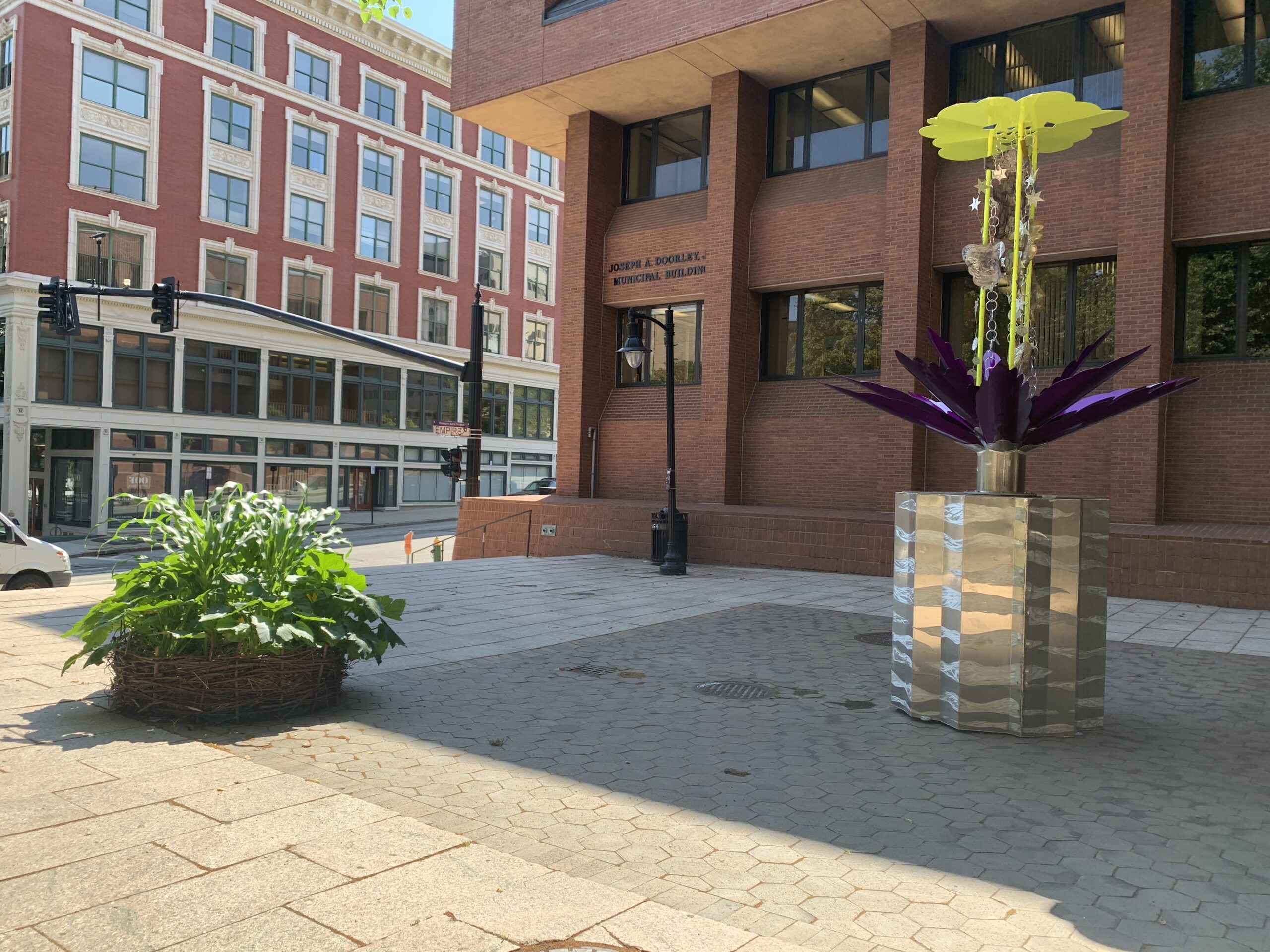
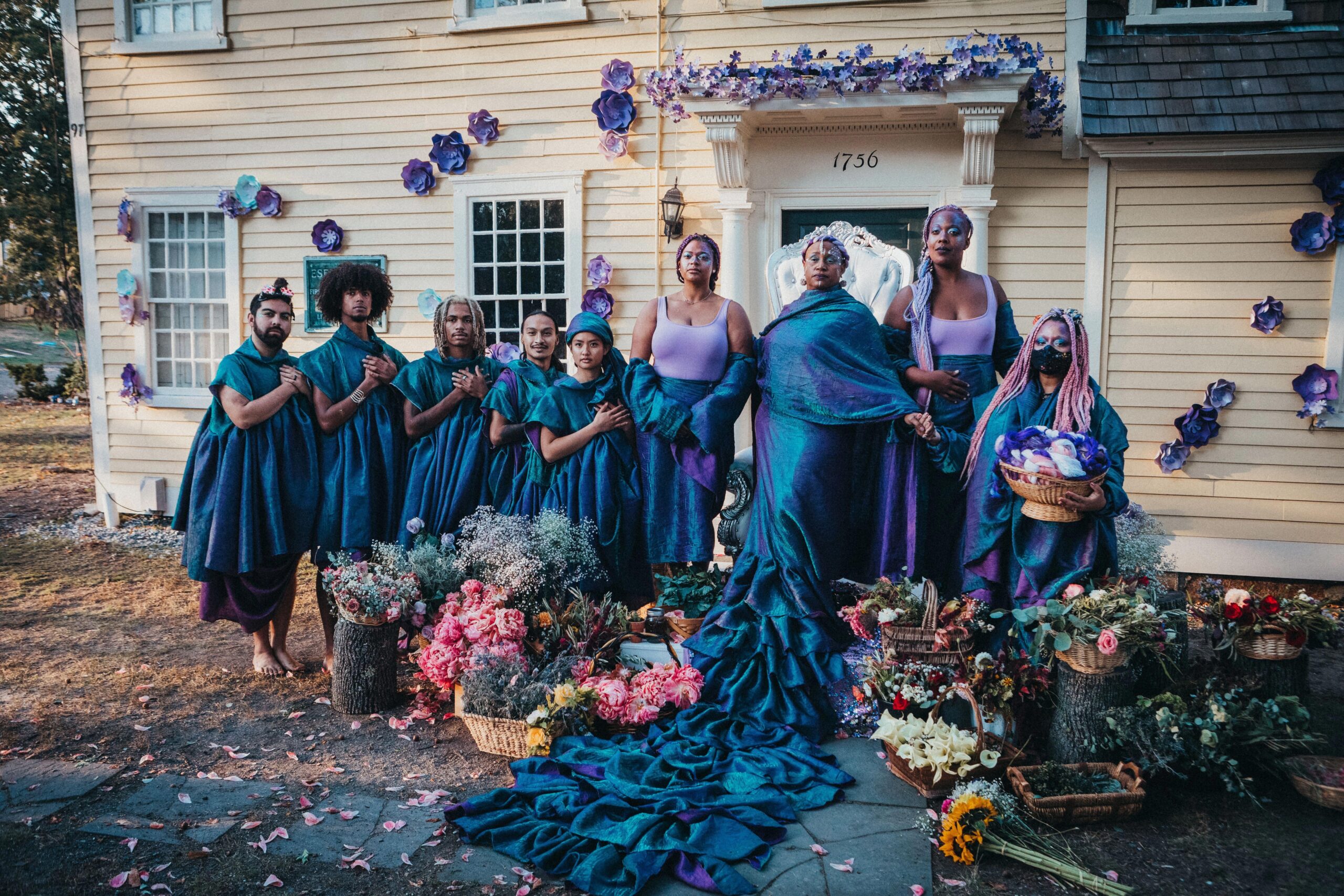
Due to practical concerns with the viability of the Public Art Ideas Competition and staff capacity, ACT will no longer offer opportunities for artists to propose their own Ideas in a temporary call, except through special initiatives such as the Providence Commemoration Lab or through the Public Art Residency Cultural Strategist in Residence program stream. While PVD Projections opportunities remain a priority, the necessary infrastructure for these commissions has not been accessible. Sustaining PVDFest Public Art commissions has also been challenging. Pausing the PVDFest Public Art temporary projects stream will enable ACT to focus on supporting artist projects proposed for PVDFest through the festival portal and selected through the festival’s community-driven curatorial process. It will also allow the Department to focus on and support larger target of opportunity curated projects initiated in collaboration with nonprofit partners.
ADMINISTRATIVE PLAN
ADMINISTRATIVE UPDATES
Henceforth Art in City Life Commission shall be abbreviated as ACLC rather than ACL as the proper noun is the Commission and “Art in City Life” describes the purview of said commission. Additionally, Commemorative Works shall be defined per City policy as monuments, memorials, markers, and other similar permanent installations, as well as temporary structures, installations, or events, intended to express or reflect the collective memory of an individual, group, or event, and which are accepted by the City and installed or located on City property with City permission. It is important to note that the category of Commemorative Work excludes works of public art and place/street names.
A conservation fund for ACT Public Art has not yet been established and if it is to be established it should not be “held by the City.” The ACLC and ACT recommend that a public art conservation fund be held and stewarded instead by a community foundation or other third-party fiduciary agent with a legal obligation to support the City’s program.
The Special Committee for Commemorative Works is a public body staffed by ACT. The Committee is composed of individuals who are scholars in the fields of history or commemoration or have a background in local history, culture, or community building. Two of these individuals, the Director of ACT and the City Archivist, are non-voting ex officio members. The Art and City Life Commission, the Providence City Council, the City Archivist, the Director of ACT, and the mayor appoint voting members that serve for three-year terms.
Extended-view public art shall be an intermediary designation for works created to be on public view for more than two years but less than ten.
The Responsibility of the Special Committee for Commemorative Works is to determine if requests for the removal, addition, or modification of commemorative works have social and cultural merit, as it pertains to the following five categories: local and community relevance; public life and public space; diversity, equity, and inclusion; complexity; and siting, design and conservation. The rubric used by the Special Committee is published on ACT’s commemorative works subsite.
While the City does not have a full-time staff person dedicated to ACT Public Art, ACT has used a small portion of its allocated percent for art CIP budget to hire a part-time project manager for CIP projects. The management of the overarching ACT Public Art program is currently part of the Deputy Director’s portfolio, and this part-time CIP Project Manager is their direct report.
Interview-based review processes will not require artists to take designs back to the ASP and on to the ACLC for additional review. Artists awarded through an interview process do work with ACT and project partners to realize satisfactory final designs.
Contracting with artists precedes any iterative design process.
In cases where the city is reviewing the viability of accepting donated work at a public school, Providence Public School District staff should participate in the site review process.
Any review processes pertaining to the Special Committee for Commemorative Works shall follow the adopted policy on ACT’s commemorative works subsite.
For the purposes of donations and loans, extended-view public art shall be an intermediary designation for works created to be on public view for more than two years but less than ten.
While ACT encourages private developers to provide small stipends for design honoraria for any product associated with conceptual design and review on private property, it has no authority over such transactions.
ACT manages the online registration of public art on private property. Currently there is no enforcement mechanism to ensure private works are registered with the city.
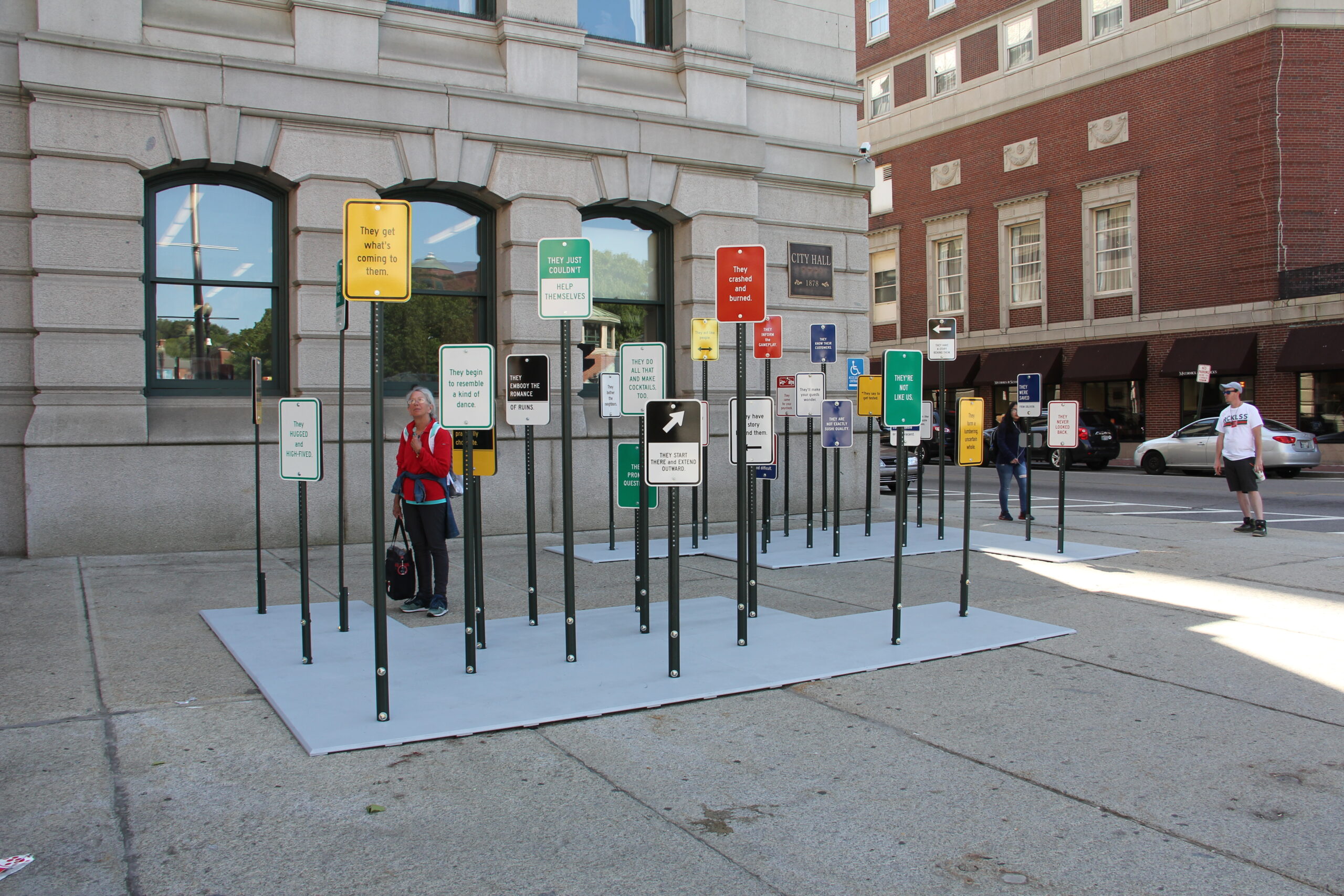
ACKNOWLEDGMENTS
COLLABORATORS
Brett P. Smiley, Mayor
Art In City Life Commission, 2024-2025
Chair, Bob Dilworth
Vice Chair, Suzanne Kim
Tony Aguilar
Karen Harris
Dana Heng
Akilah Phillip
Thea Quiray Tagle
Brendan Rose
Anusha Venkataraman
Addendum Subcommittee
Tony Aguilar
Karen Harris
Thea Quiray Tagle
Anusha Venkataraman
Department of Art, Culture and Tourism
Joe Wilson Jr., Director
Micah Salkind, Deputy Director
Rebecca Noon, Director of Special Projects
Ellary Gamache, Fiscal and Operations Manager
Charlotte Abotsi, Constituent Engagement Coordinator
Allie Barry, Cultural Affairs Manager
Lael Tucker, Director of Arts Teaching and Learning
Michaela Antunes, Director of Communications for Economic Development
Addendum Design
New Flavor Media, LLC
ARTWORK IMAGE CREDITS
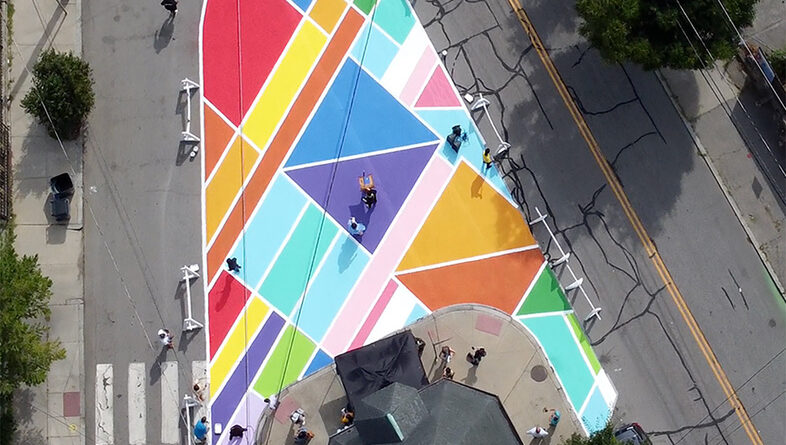
Front Cover, Rene Gomez, “P&D Pocket” (ground mural, 2022)
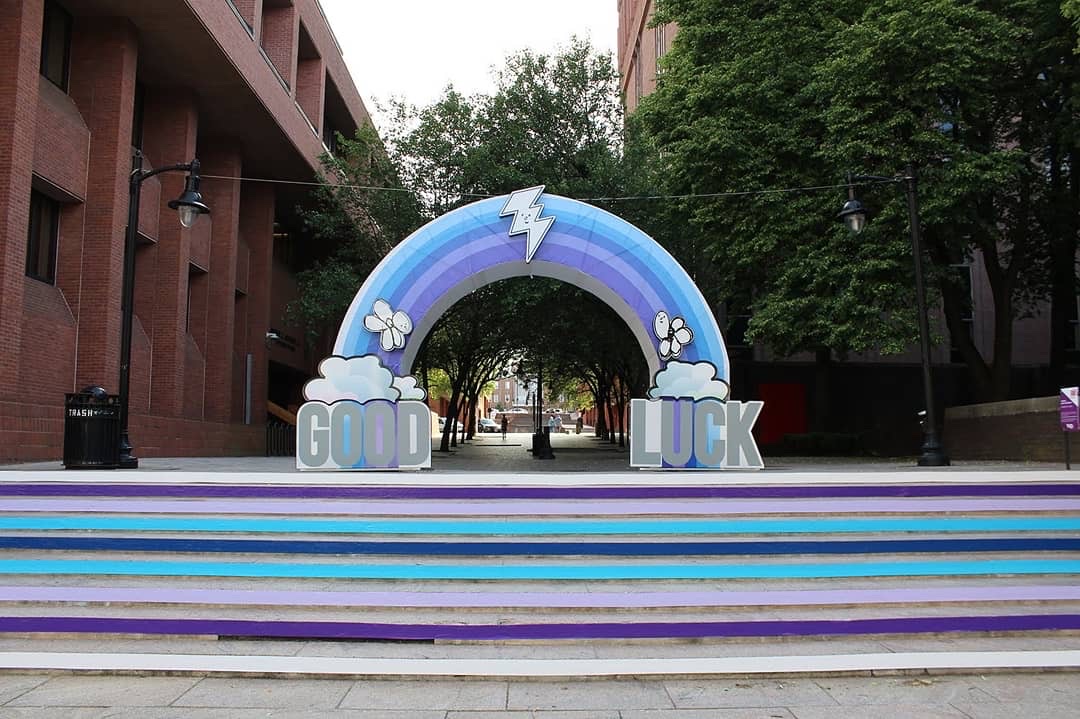
P. 2 – Vinnie Ray, “Goodluck Gateway” (sculpture, 2019)
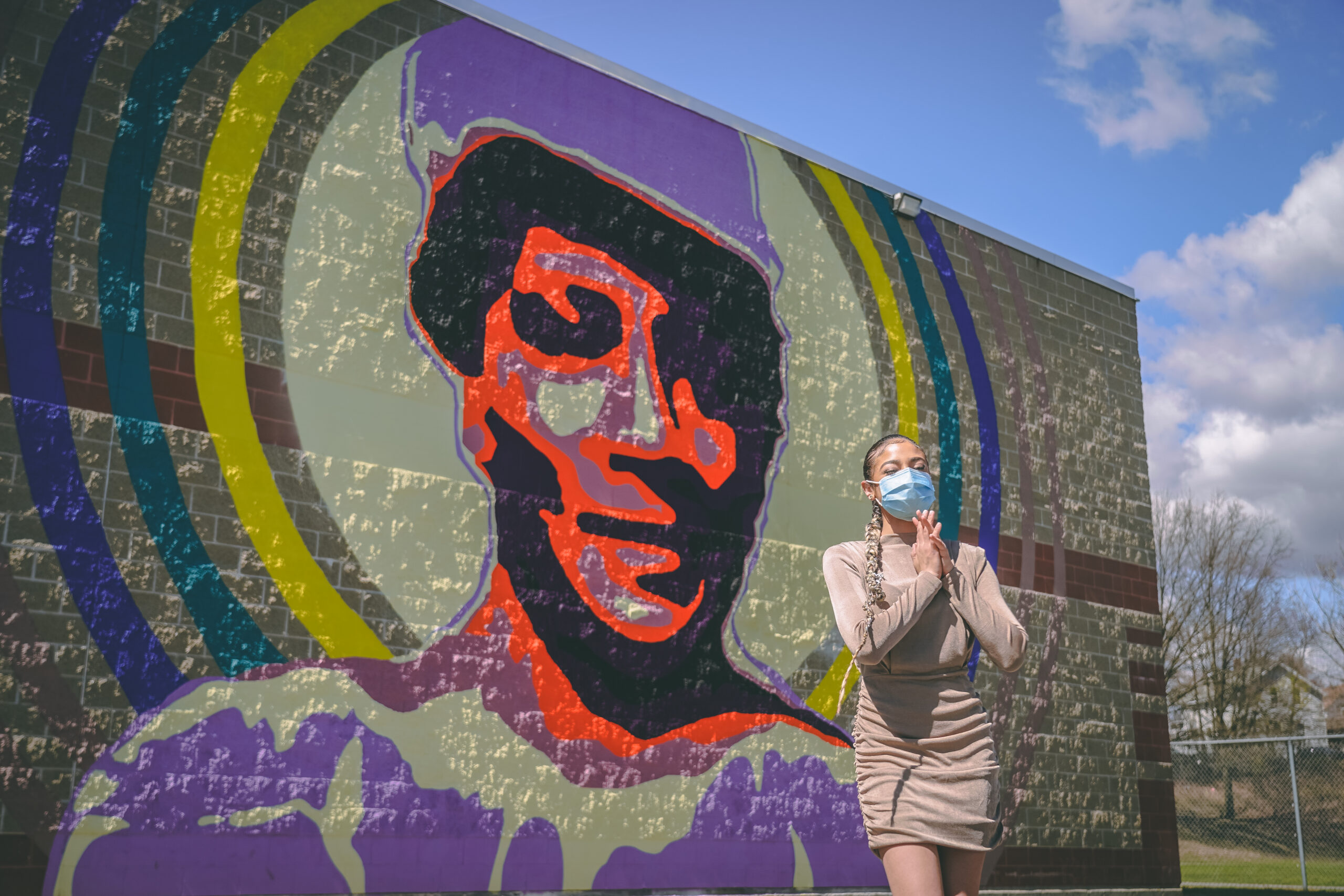
P. 6 – YSANEL, “Madeline” (mural, 2019)
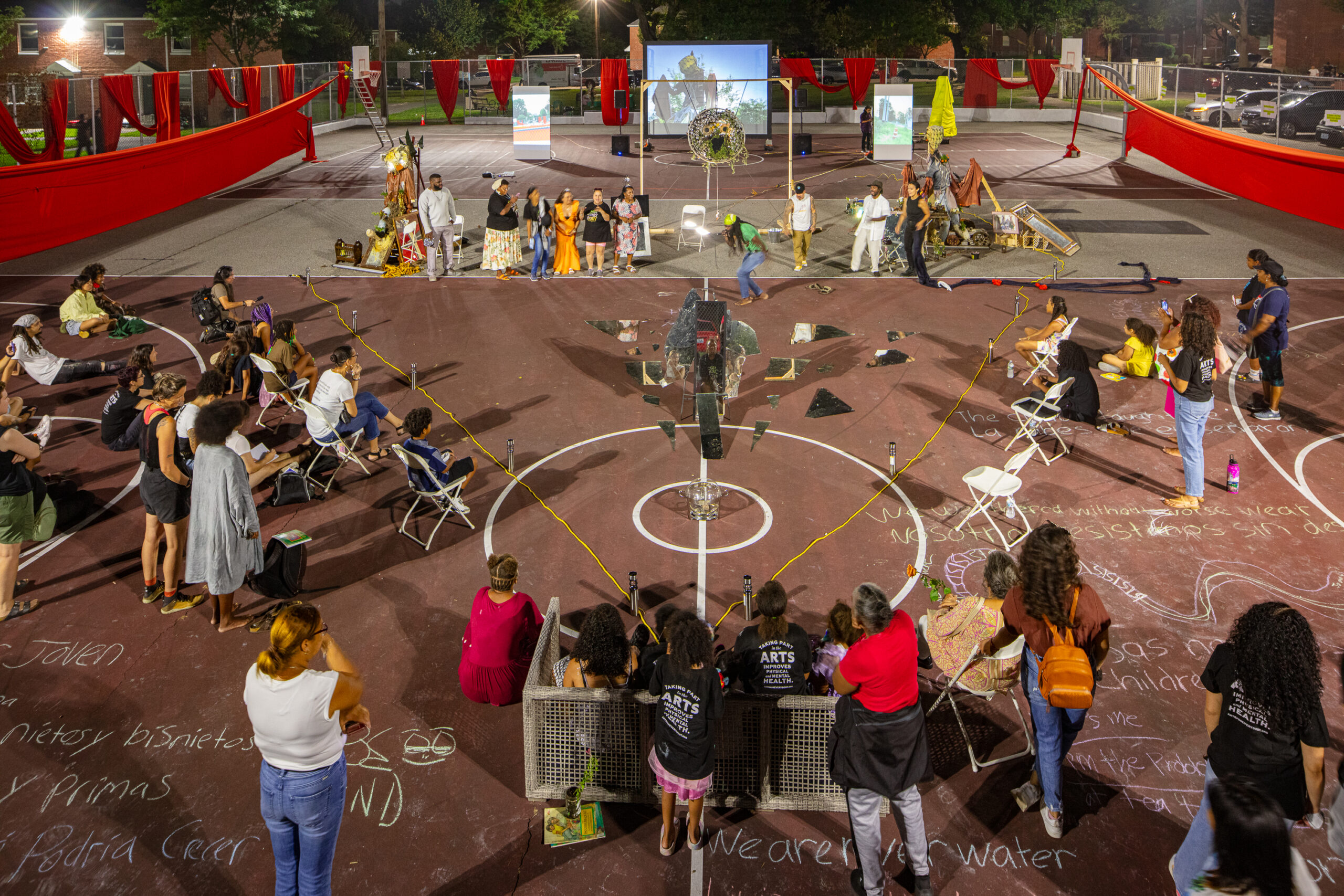
P. 8 – Vatic Kuumba, “Casa Futura/Future House” (performance, 2024)
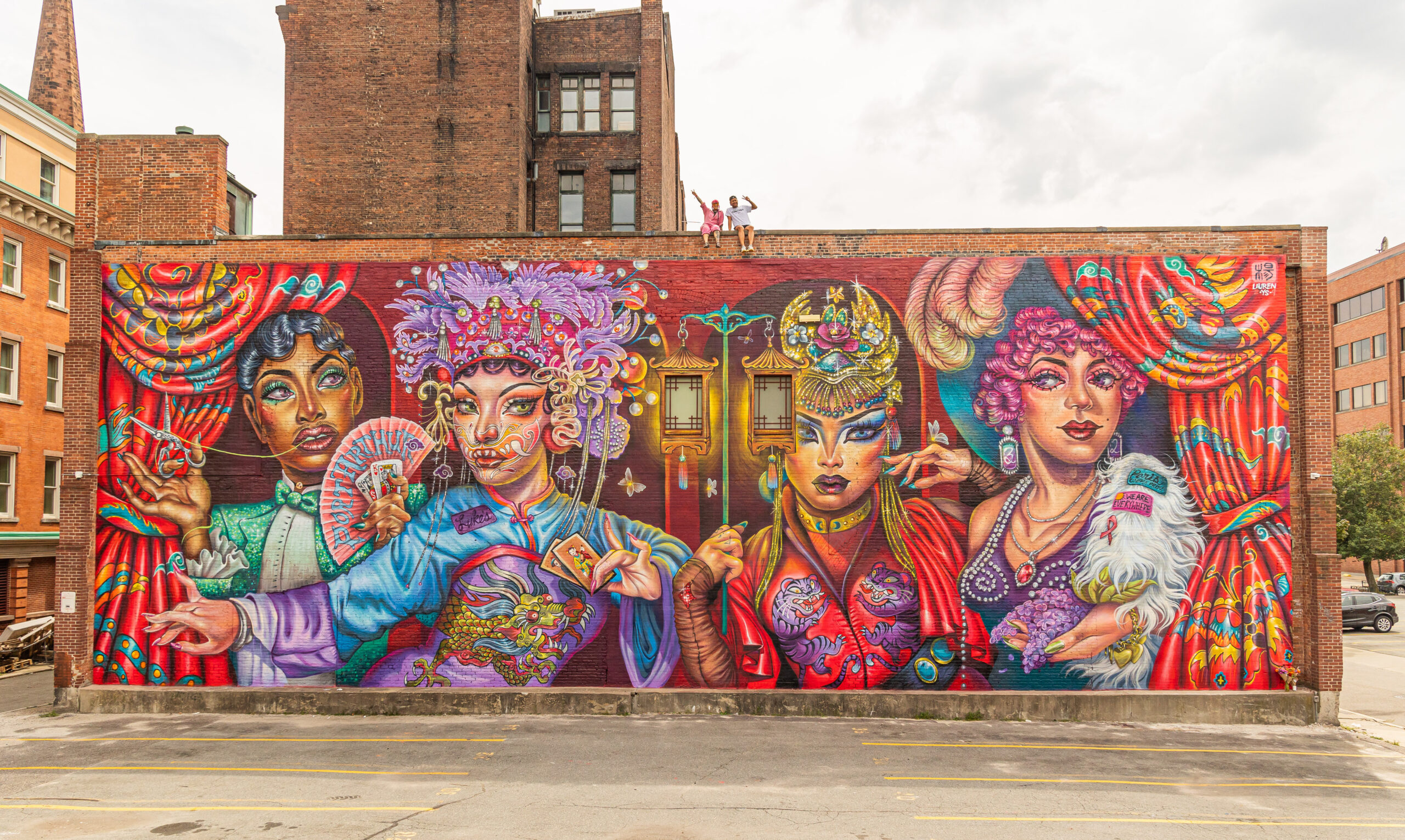
P. 9 – Lauren YS, “Empire Rising” (mural, 2024)
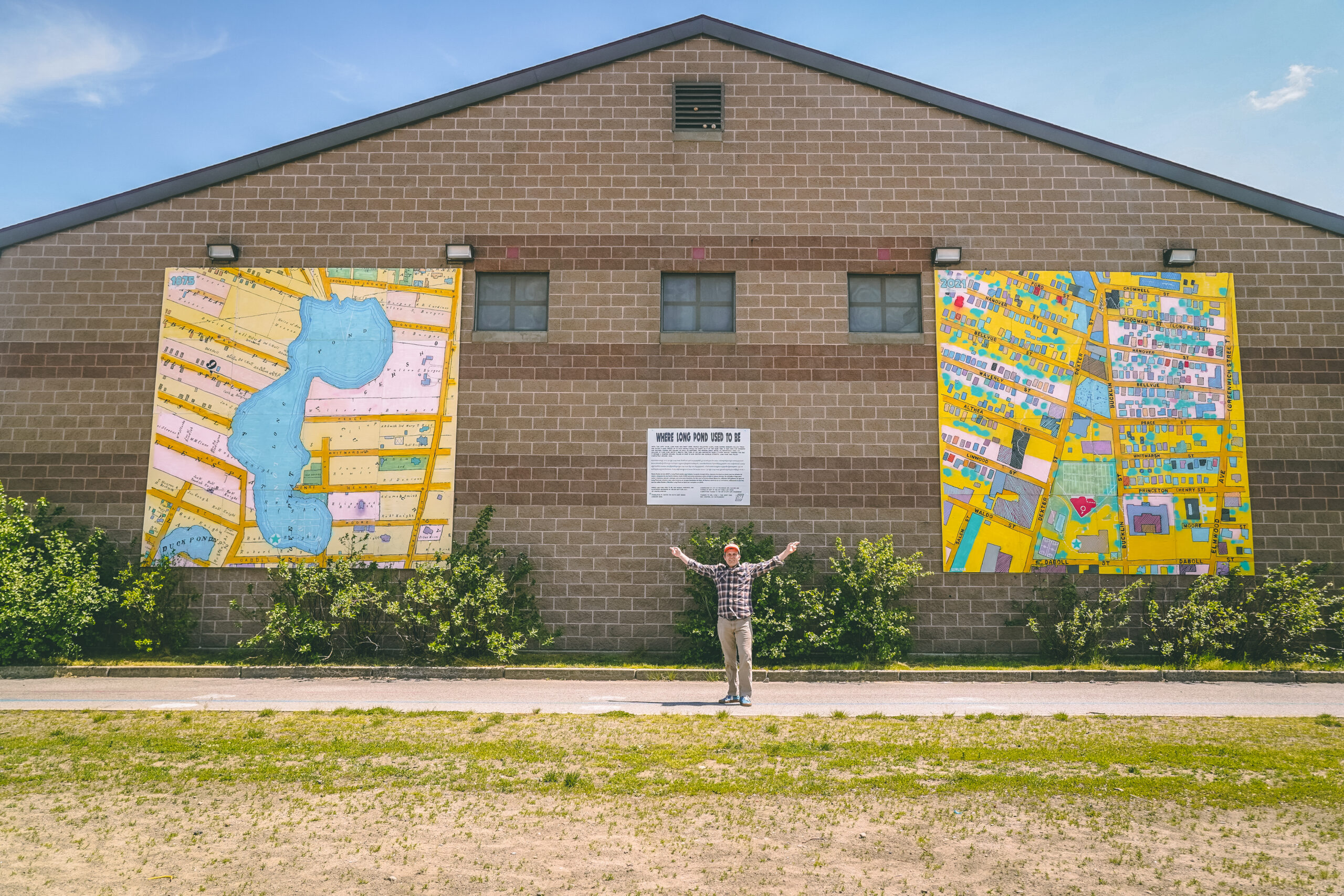
P. 10 – Walker Mettling, “Where Long Pond Used to Be” (mural, 2021)
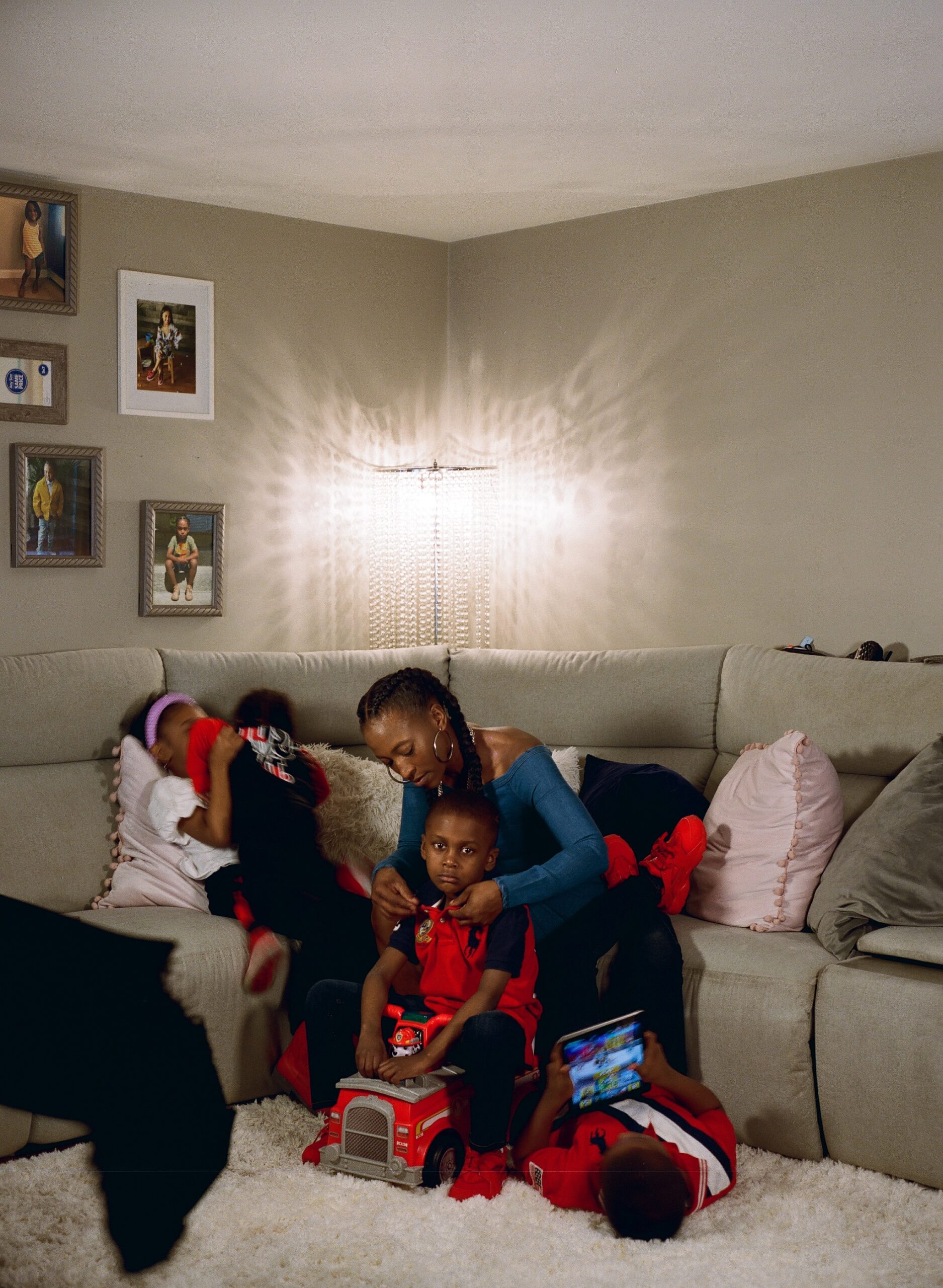
P. 11 – Ryan Cardoso, “Janetta & Family” from The 11 (exhibition, 2021)
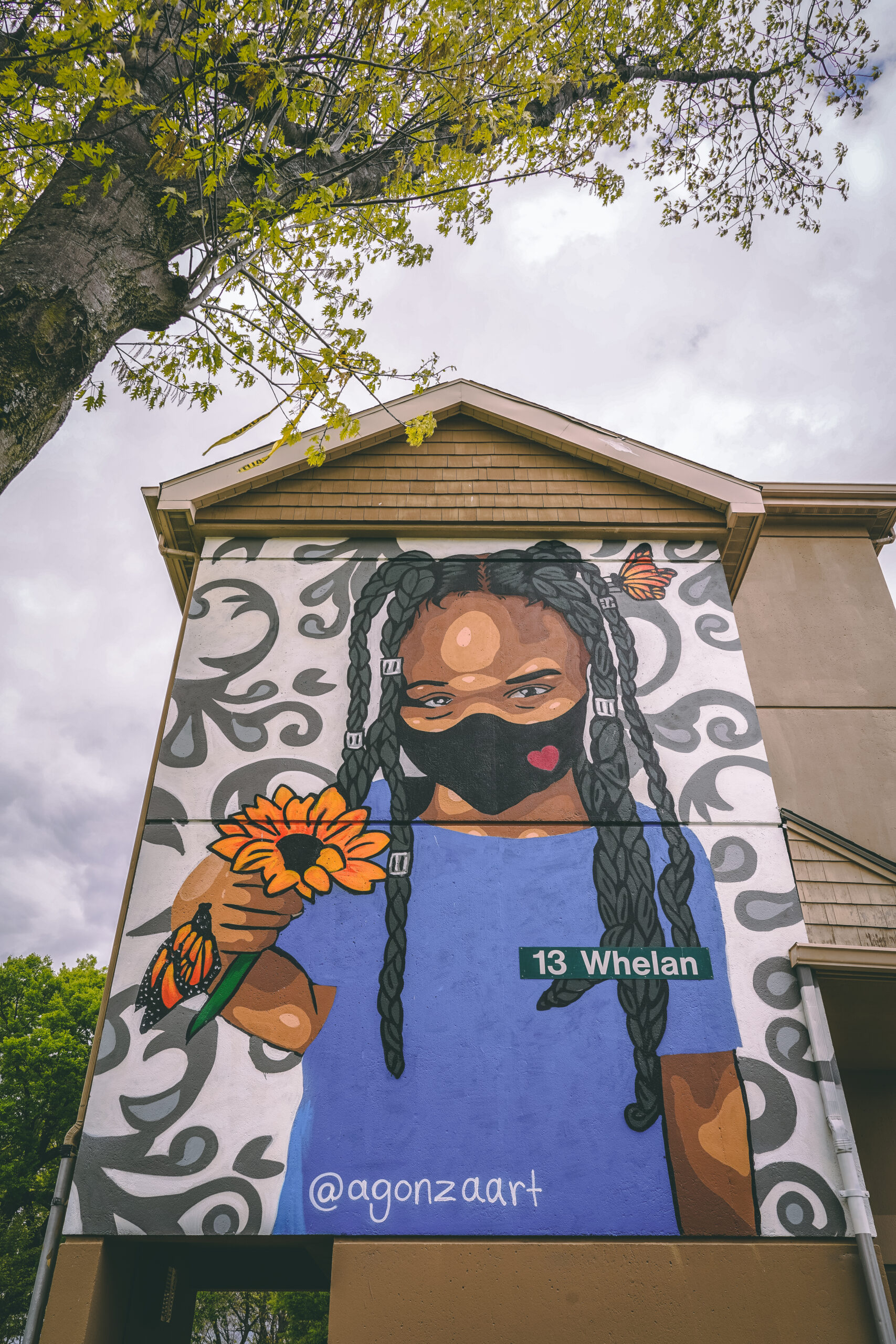
P. 12 – AGONZA, “Past, Present, Future of PHA” (mural, 2020)
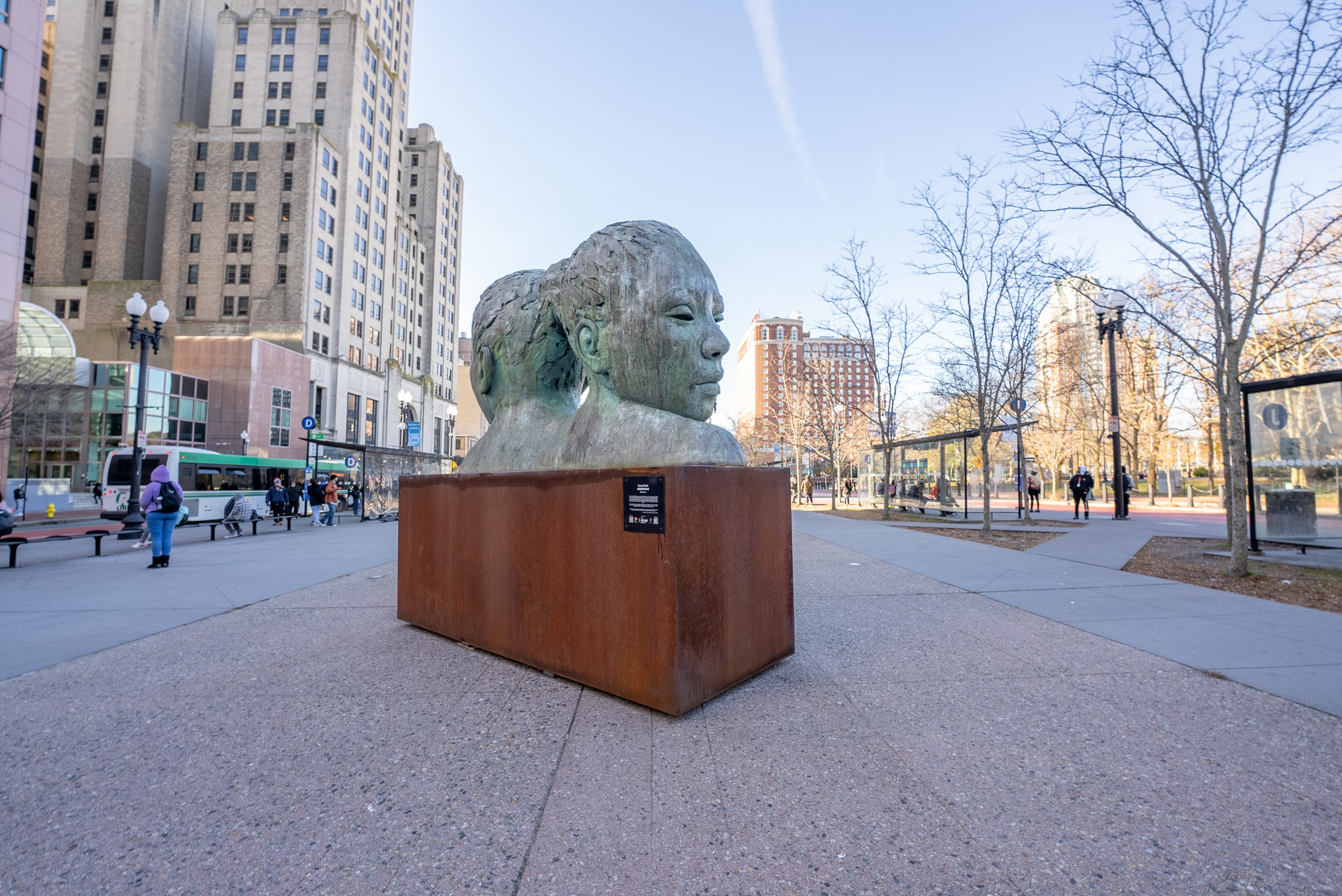
P. 13 – Lionel Smit, “Morphous” (sculpture, installed 2022)
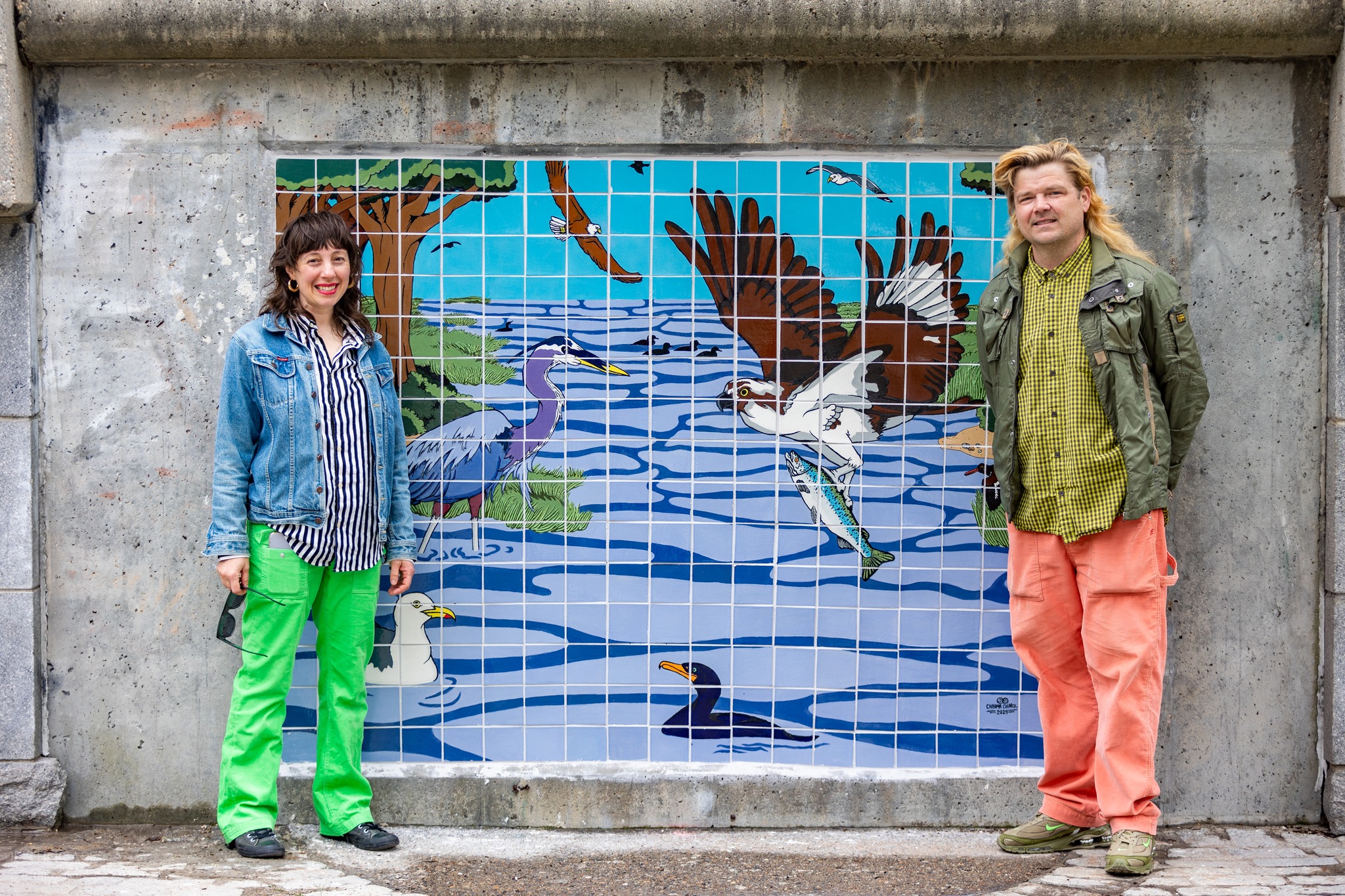
P. 14 – Chroma Council, “Under The Cobblestones, The Beach” (hand-painted tile mural, 2024)
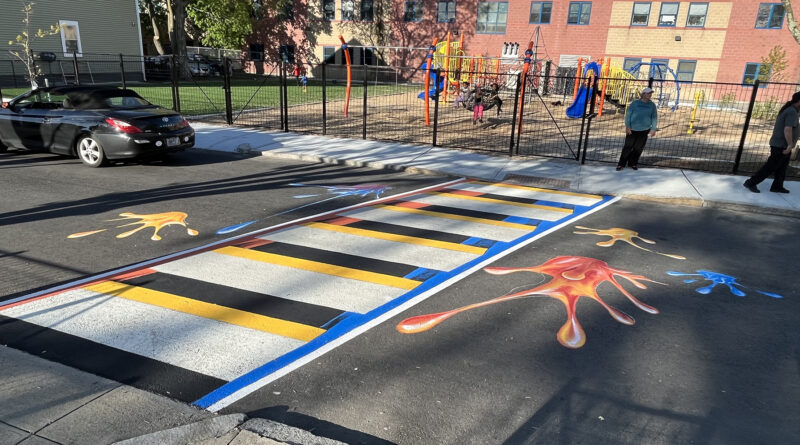
P. 15 – Michael Macaulay, “Pathway to Play” (ground mural, 2022)
P. 15 – Pneuhaus, “Pnit” (sculpture, 2019)
P. 16 – Karin Giusti, “Dreamweave” (textiles, 2020)
P. 17 – Allison Newsome and Deborah Spears Moorehead, “Three Sisters” (sculpture, 2020)
P. 18 – The Haus of Glitter, “The Historical Fantasy of Esek Hopkins” (performance, 2020-2021)
P. 20 – Area C Projects, “Sign-In” (sculpture, 2019)